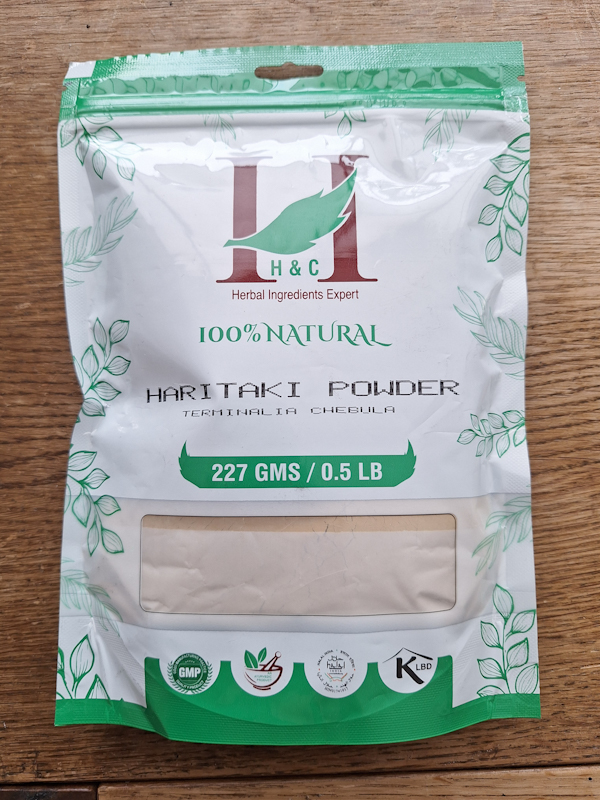
Last year I posted a call out for any info on Terminalia Chebula (Haritaki Powder), as I was considering it as a toner/stain for cyanotypes. I had read that it was very high in tannic acid, and at the time I was looking at beer brewing as a link to some work I was producing for an exhibition.
Andrew Mac kindly messaged me with some info on the experiments he has been doing also with Haritaki powders.
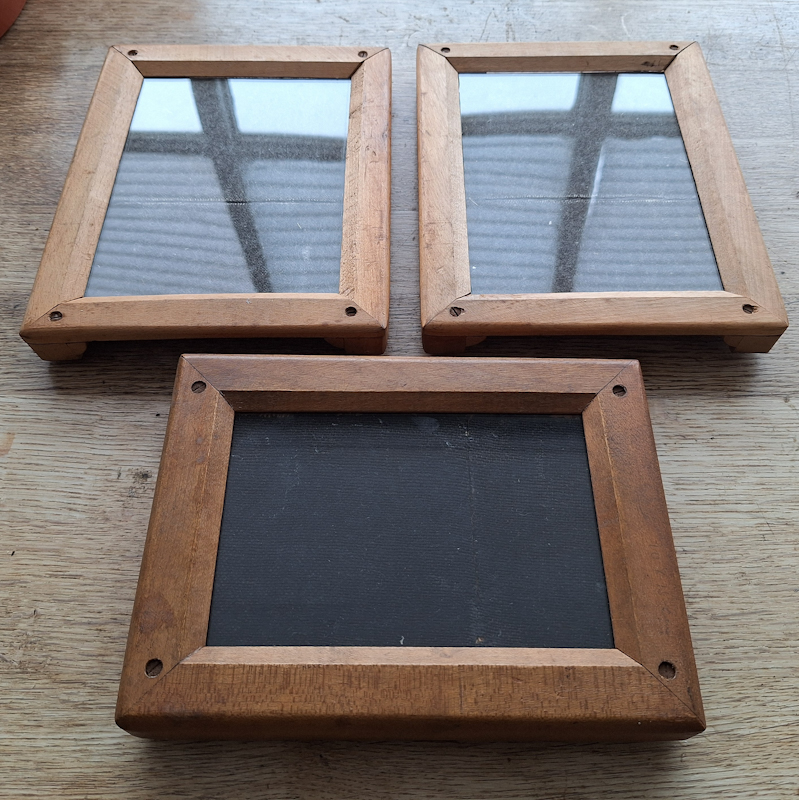
I also have been on the look our for some additional contact printing frames. Three 1/2 plate ones arrived this week. New glass has now been added.
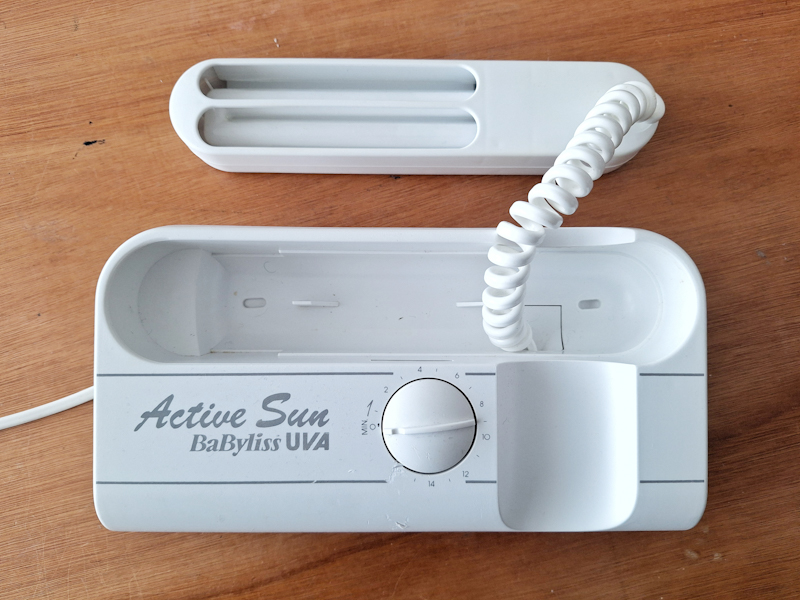
I’ve also been looking at UV alternatives. I have a roll of 365nm LEDs here somewhere for making some exposure units. Alternative face tanning units have become expensive on Ebay, so I’ve also beem looking at manicure uv units which are usually less than a tenner, some with LEDs and some with small UV tube bulbs.
This led me to buying this small hand held tanning unit for £2. Just the one bulb, hand held for about 10 minutes, depending on how close you are. Works a treat.
A test with a collodion negative from the old studio that was close at hand.
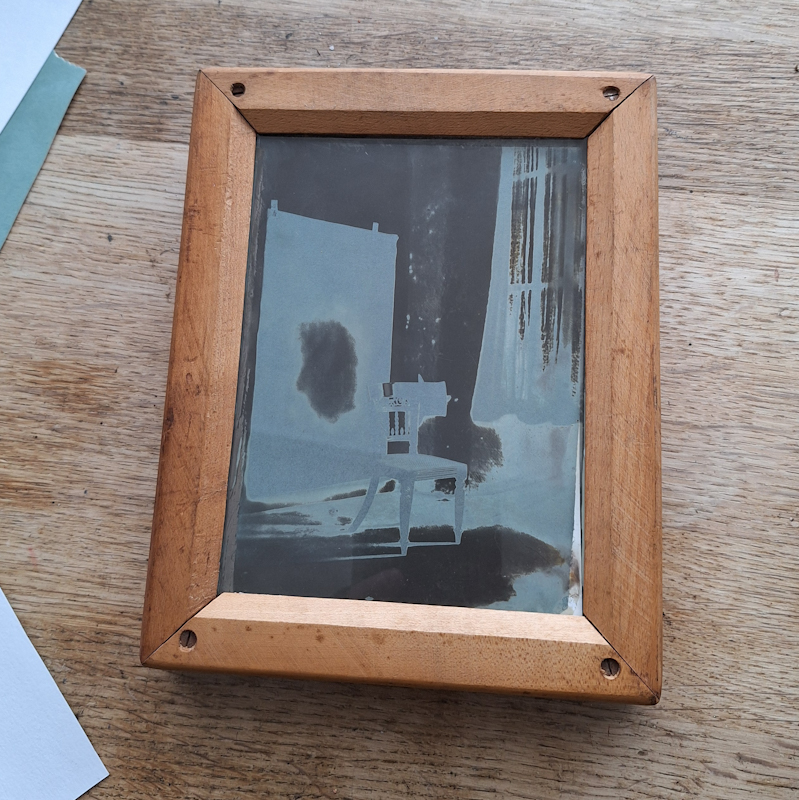
The unprocessed cyanotype. This paper I precoated months ago and is still working fine.
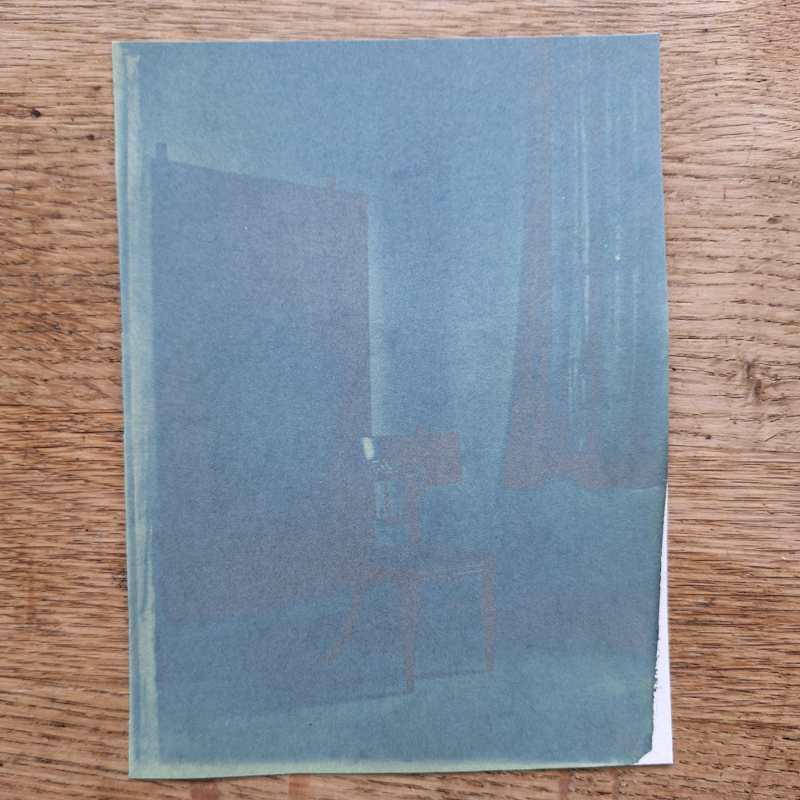
I made two prints, one a little lighter than the other. Slightly different exposure distances.
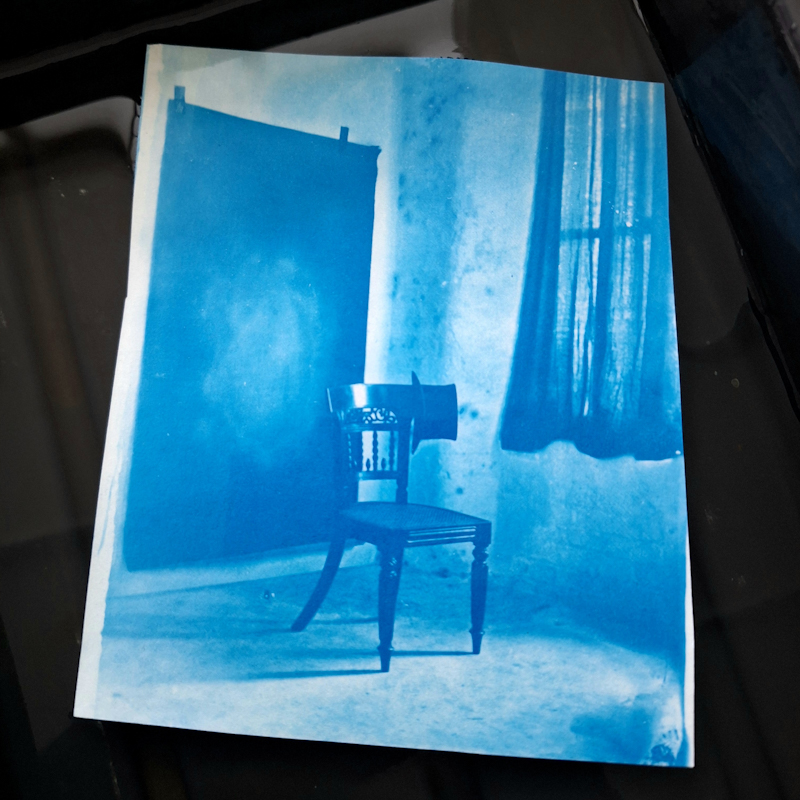
I bleached the darker one for only a short time until it had changed colour. The lighter one I bleached till there was a ghost of a pale blue image. The usual soda crystal bleach.
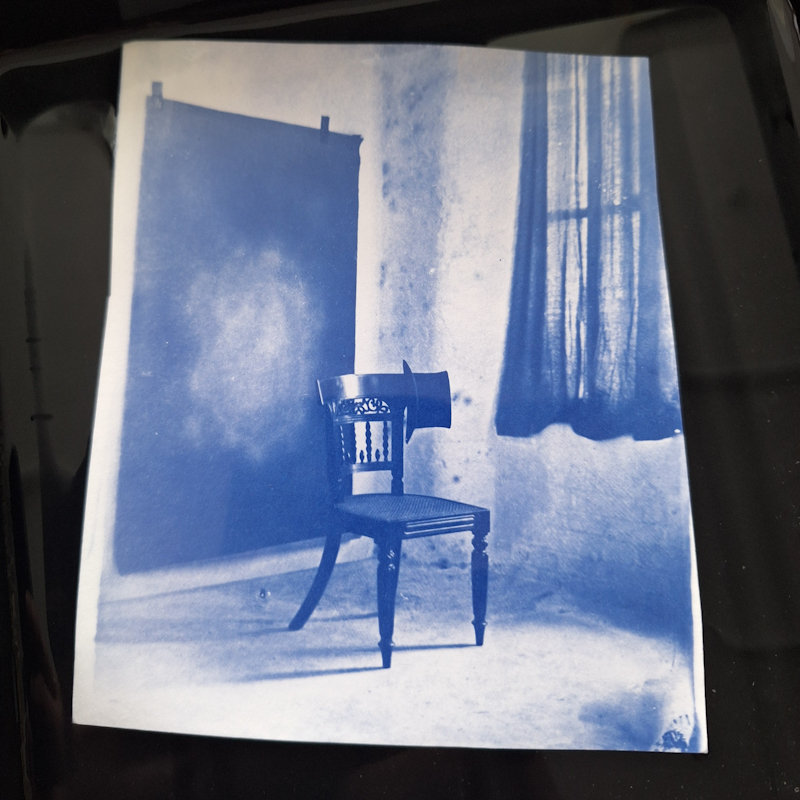
I used about 7g of Haritaki powder per 500ml of cold water. This results in longer tone times. Next tests will be hot toner.
It doesnt dissolve fully in water, so is more of a suspension and quite gritty. I guess you could let it soak and filter the solution. I just used it as it is.
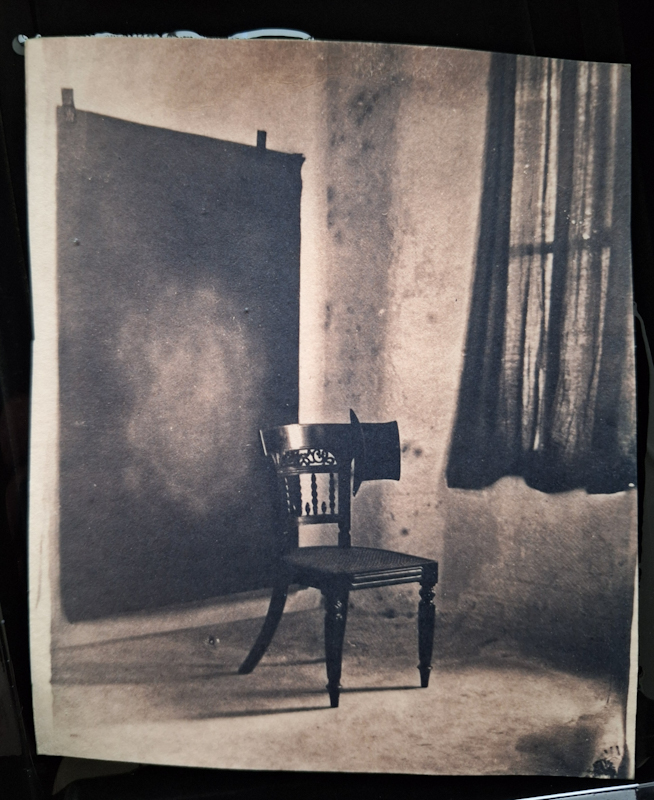
The lighter one remind me of van dyke brown printing. And the darker more of a salt print. I am pleasanlty surprised. The bleached print started to change tone almost instantly
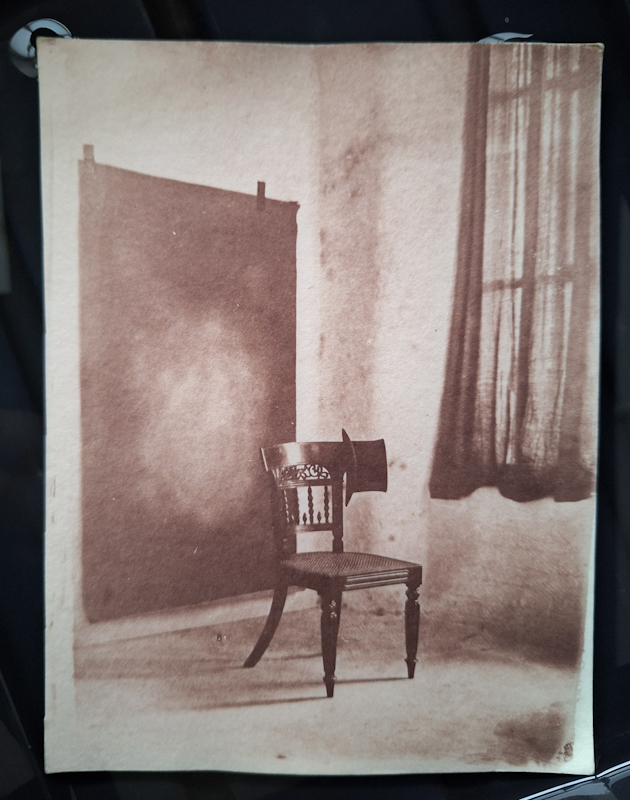
With the two test prints together you can see the difference.
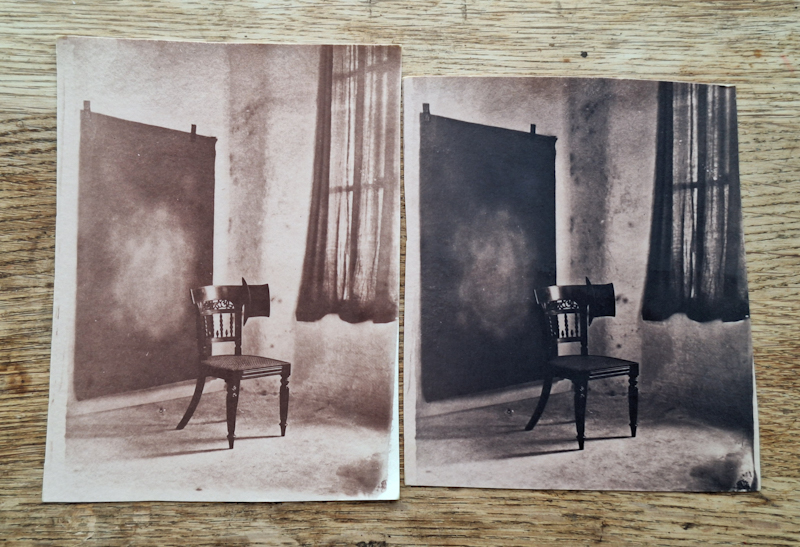
Lets see how these look when they dry down.
Thanks again to Andrew Mac for some very interesting info.
In other news, there’s been another rent increase at Spinners Mill, so I am now looking at introducing some smaller workshops come springtime. So watch this space.
For UV source try Barrina T5 UV on Amazon.
Thanks Sven, I’d seen those, also looking at the smaller UV floodlamps. Or just continue down the uv led strip route. Decisions decisions.